

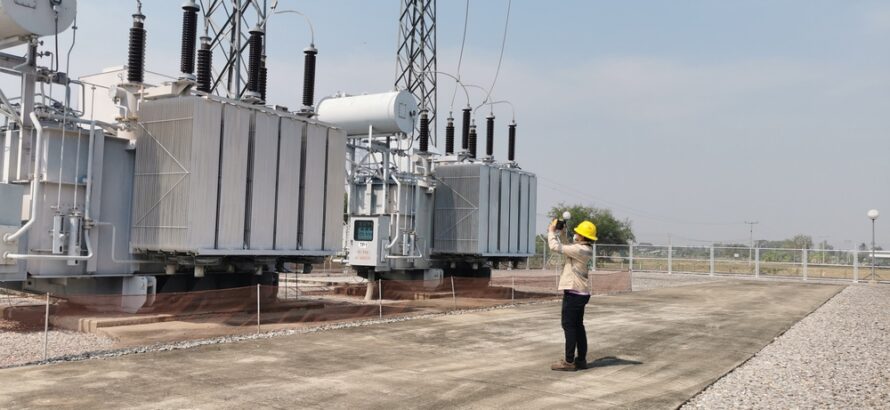
Keeping the power on is one of the most important jobs for any utility company. When the grid fails, homes go dark, businesses stop, and safety becomes a concern. That is why more companies are turning to electric utility asset management software to improve equipment management and prevent outages. At EMPACT Engineering, we help utilities use smarter tools to keep systems running smoothly and reliably while minimizing disruptions.
Why Grid Reliability Matters
Electric grids are made up of many parts, like transformers, poles, wires, and substations. If even one part fails, it can cause a chain reaction that leads to outages. Using electric utility asset management software allows our team to monitor all these components in real time and continuously track their condition. This helps us catch problems early before they turn into bigger issues.
When utilities rely on outdated systems or manual tracking, it becomes harder to stay organized and respond quickly. That is where electric utility asset management software makes a big difference. It keeps everything in one place, making it easier to track performance, manage assets, and plan repairs effectively.
Smarter Maintenance Planning
One of the biggest benefits of electric utility asset management software is better maintenance planning. Instead of fixing equipment only after it breaks, utilities can use data to predict when something might fail. This is called predictive maintenance, and it is a game-changer for the industry.
Our team uses electric utility asset management software to analyze data from equipment and schedule maintenance at the right time. This reduces unexpected breakdowns and helps avoid costly emergency repairs. It also extends the life of important assets, saving money in the long run.
In addition, electric utility asset management software allows utilities to prioritize the most critical assets first. This ensures that high-risk components are addressed before they cause major outages.
Improving Decision-Making
Good decisions come from good data. Electric utility asset management software provides detailed reports and insights about the condition, performance, and history of assets. This helps utility companies decide where to invest their time and money.
At EMPACT Engineering, we rely on electric utility asset management software to guide our strategies and recommendations. Whether it is upgrading equipment, planning inspections, or budgeting for replacements, having accurate information leads to better outcomes.
According to Plunkett Research, the U.S. engineering services industry is projected to reach $3.7 trillion by 2030, reflecting massive growth in infrastructure and technology projects. This growth makes it even more important for utilities to use tools like electric utility asset management software to stay competitive, efficient, and prepared for future demands.
Supporting Long-Term Planning
Utilities need to think about the future. Aging infrastructure, population growth, and increasing energy demand mean that planning ahead is critical. Electric utility asset management software helps utilities understand which assets need to be replaced, upgraded, or maintained over time.
By using electric utility asset management software, our team can create long-term plans that improve reliability and reduce costs. This ensures that the grid can handle future challenges without frequent outages or unexpected failures.
In addition, forecasting tools within electric utility asset management software allow utilities to budget more effectively and avoid sudden expenses. This leads to more stable operations and better service for customers.
Contact Us Today
At EMPACT Engineering, we are dedicated to helping utilities improve performance and reliability. Our team uses advanced tools like electric utility asset management software to deliver smarter solutions that reduce outages and keep systems running strong. If you are ready to upgrade your operations and protect your grid, reach out to EMPACT Engineering today. We are here to help you every step of the way.